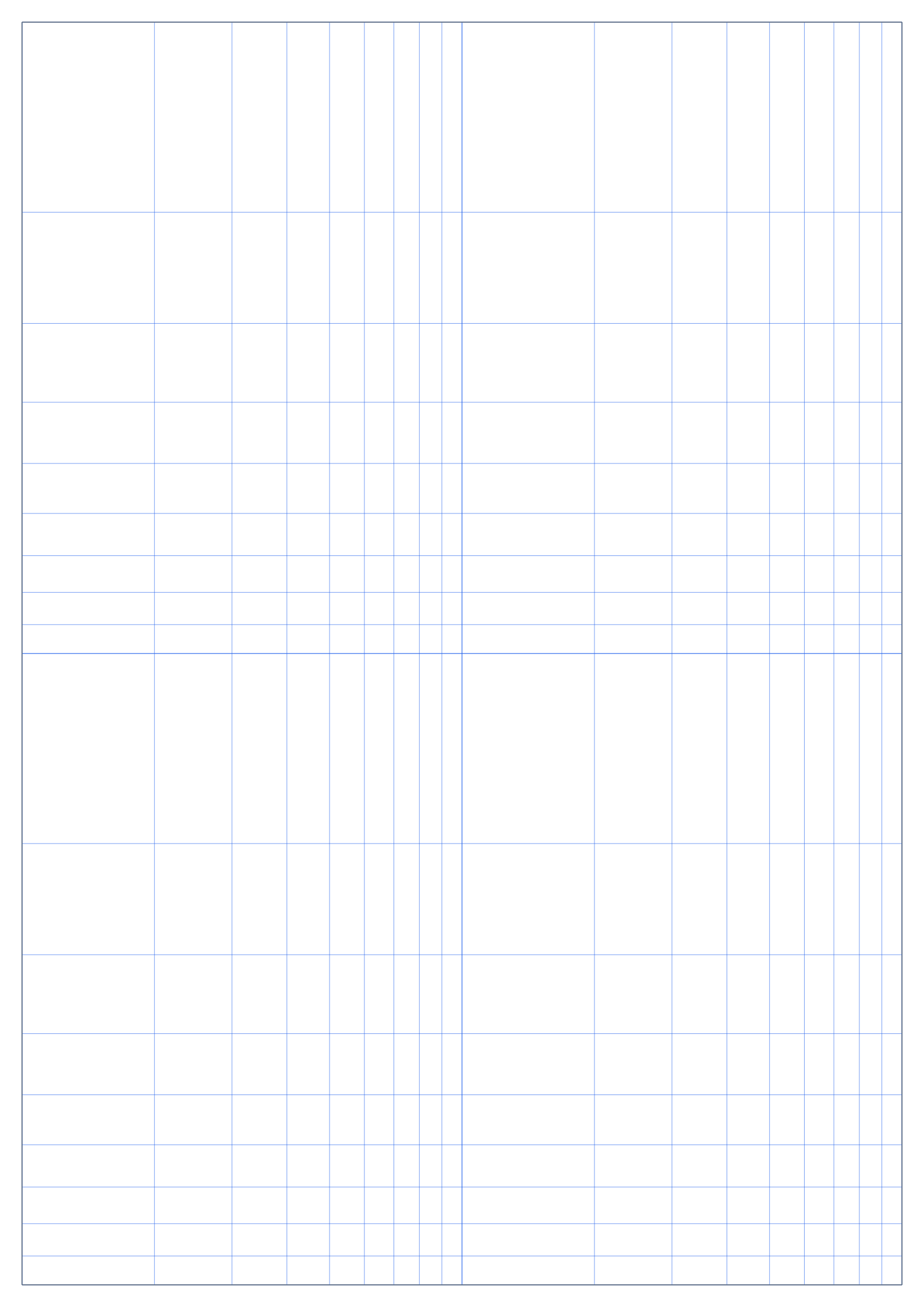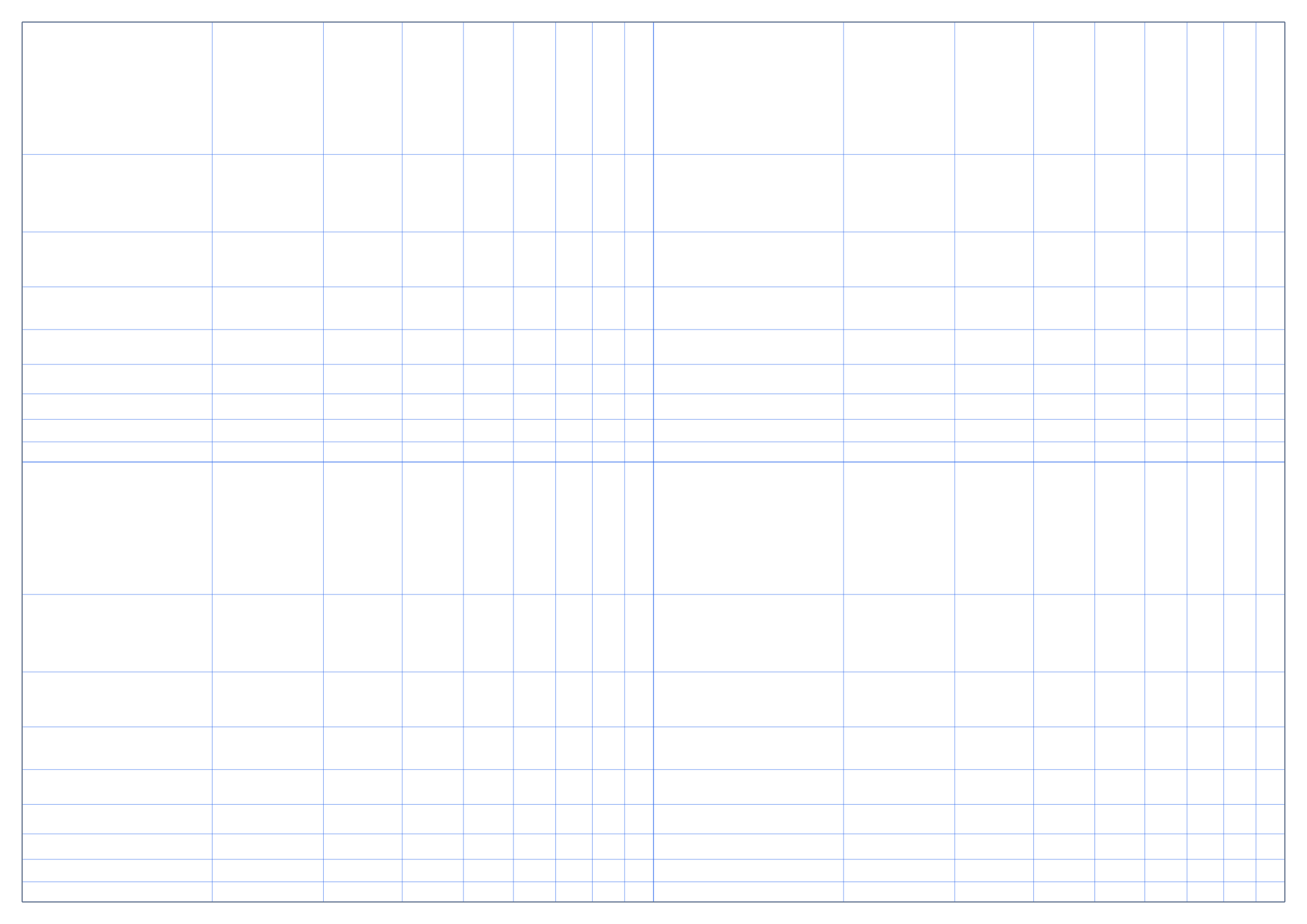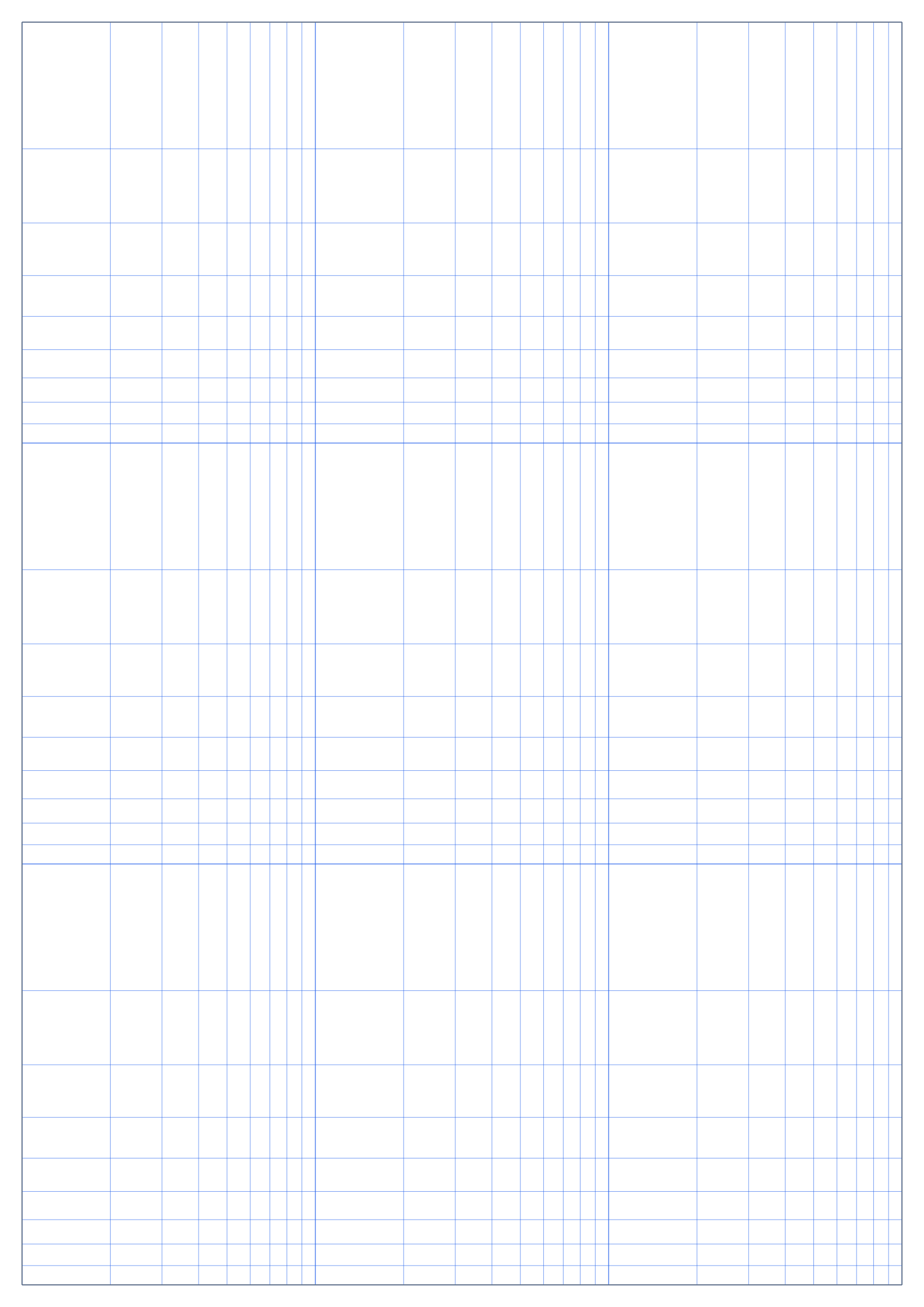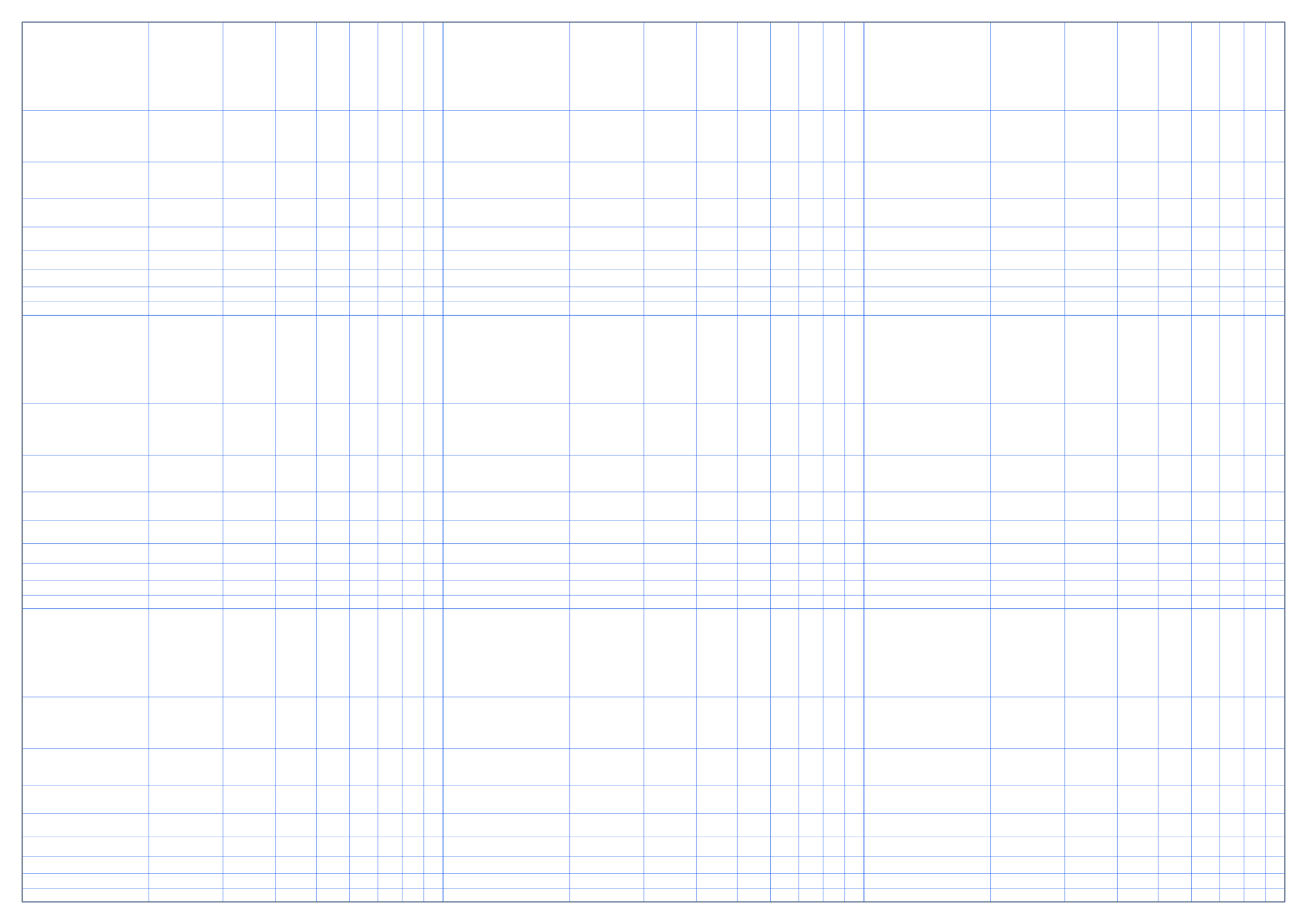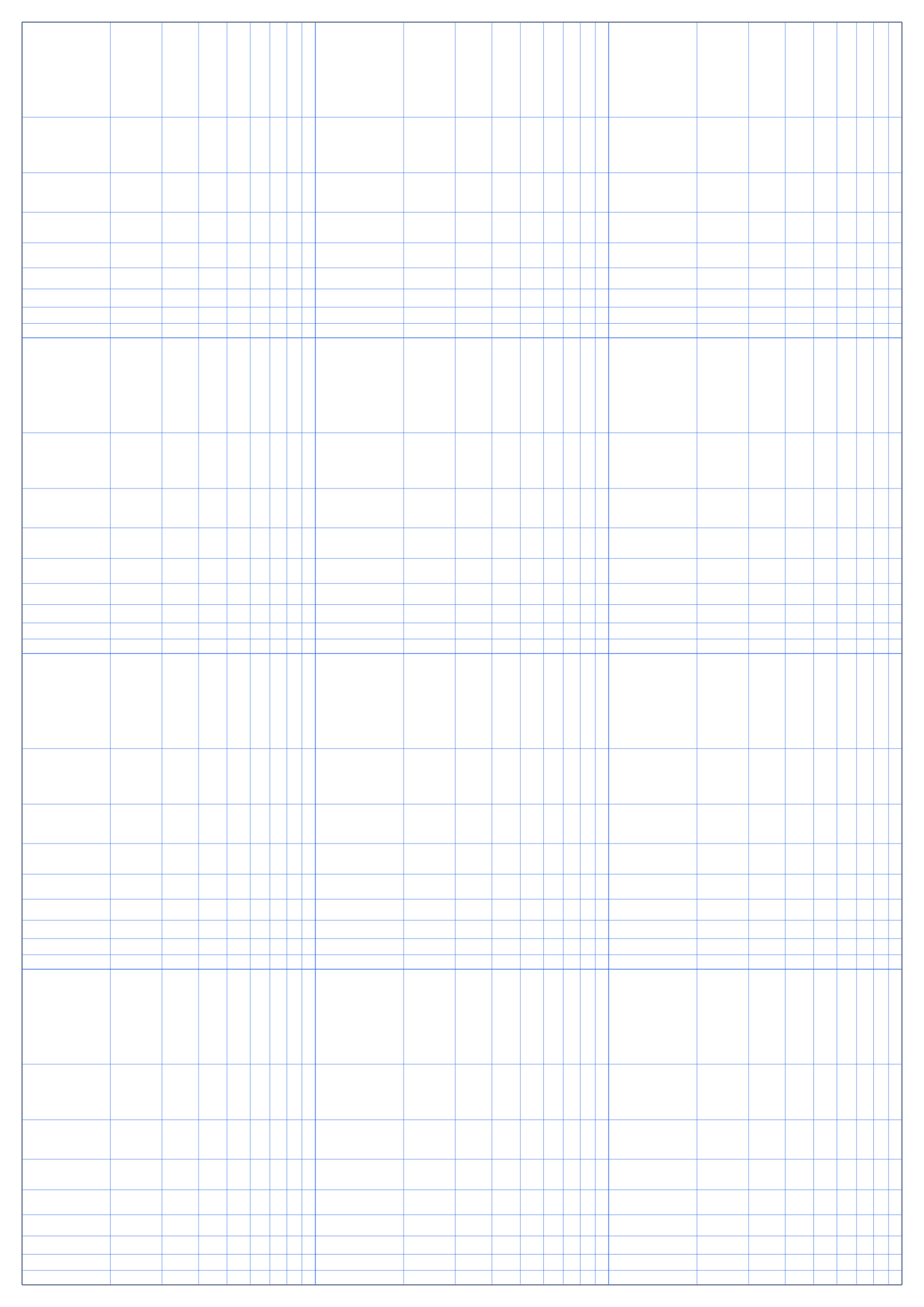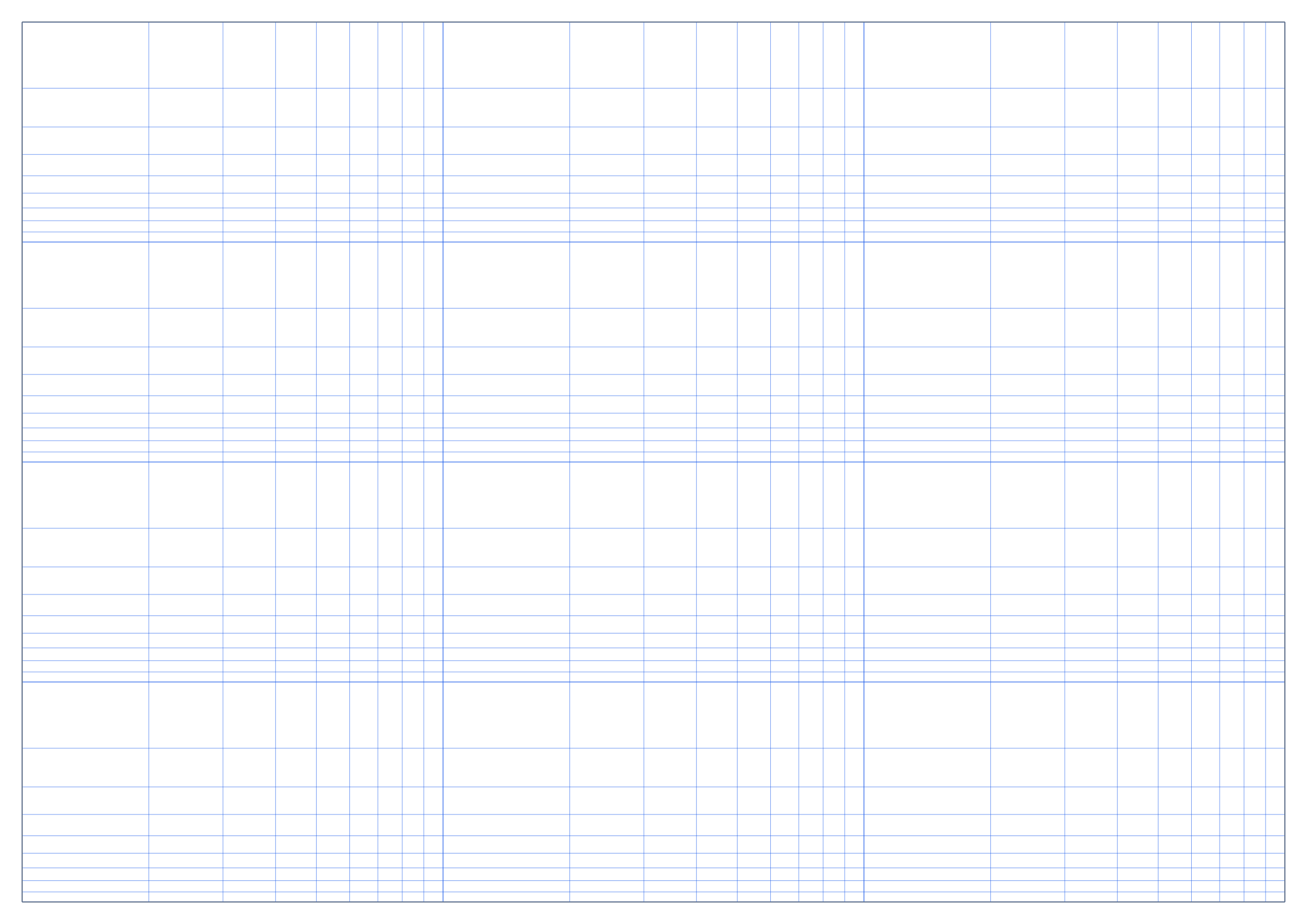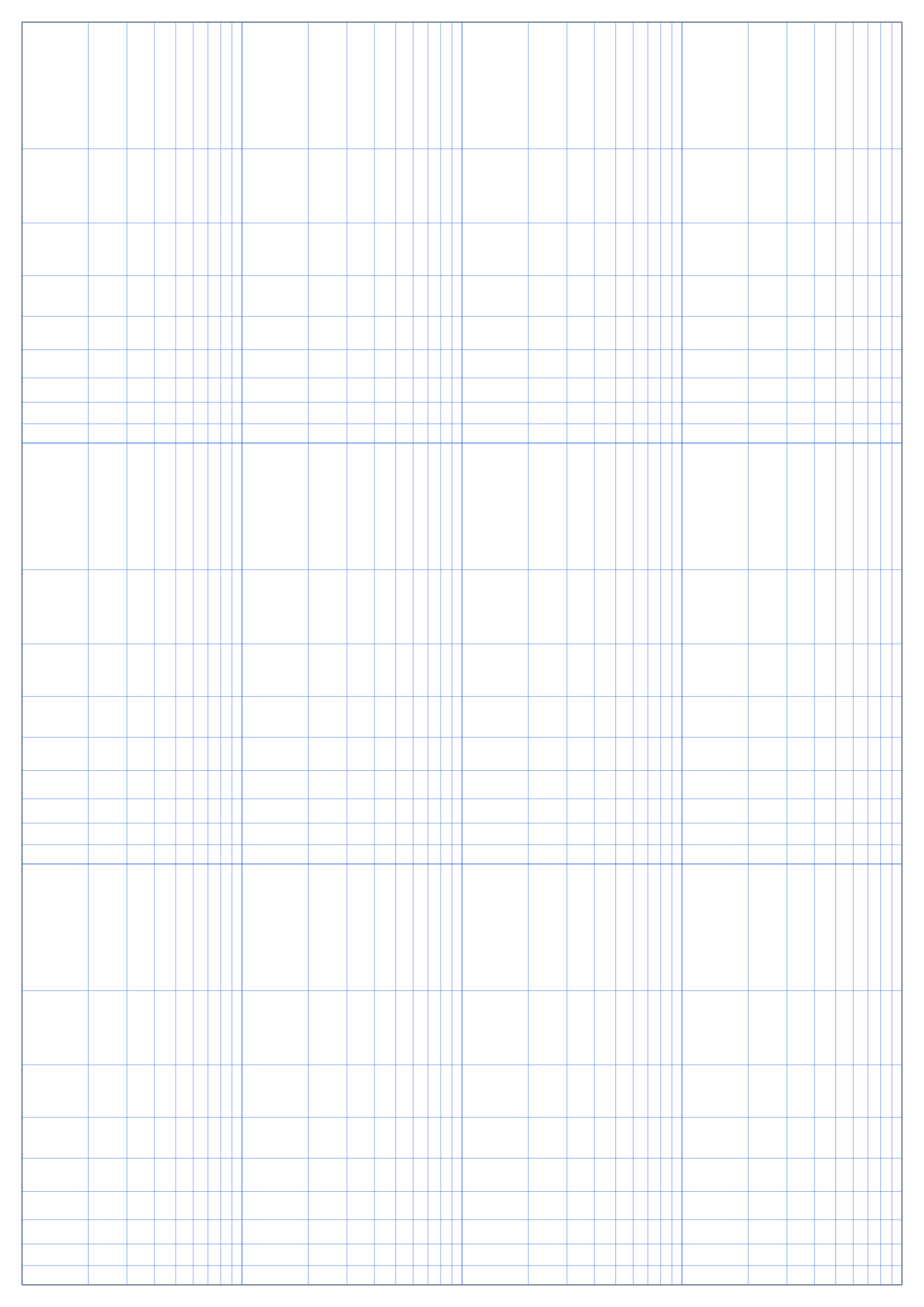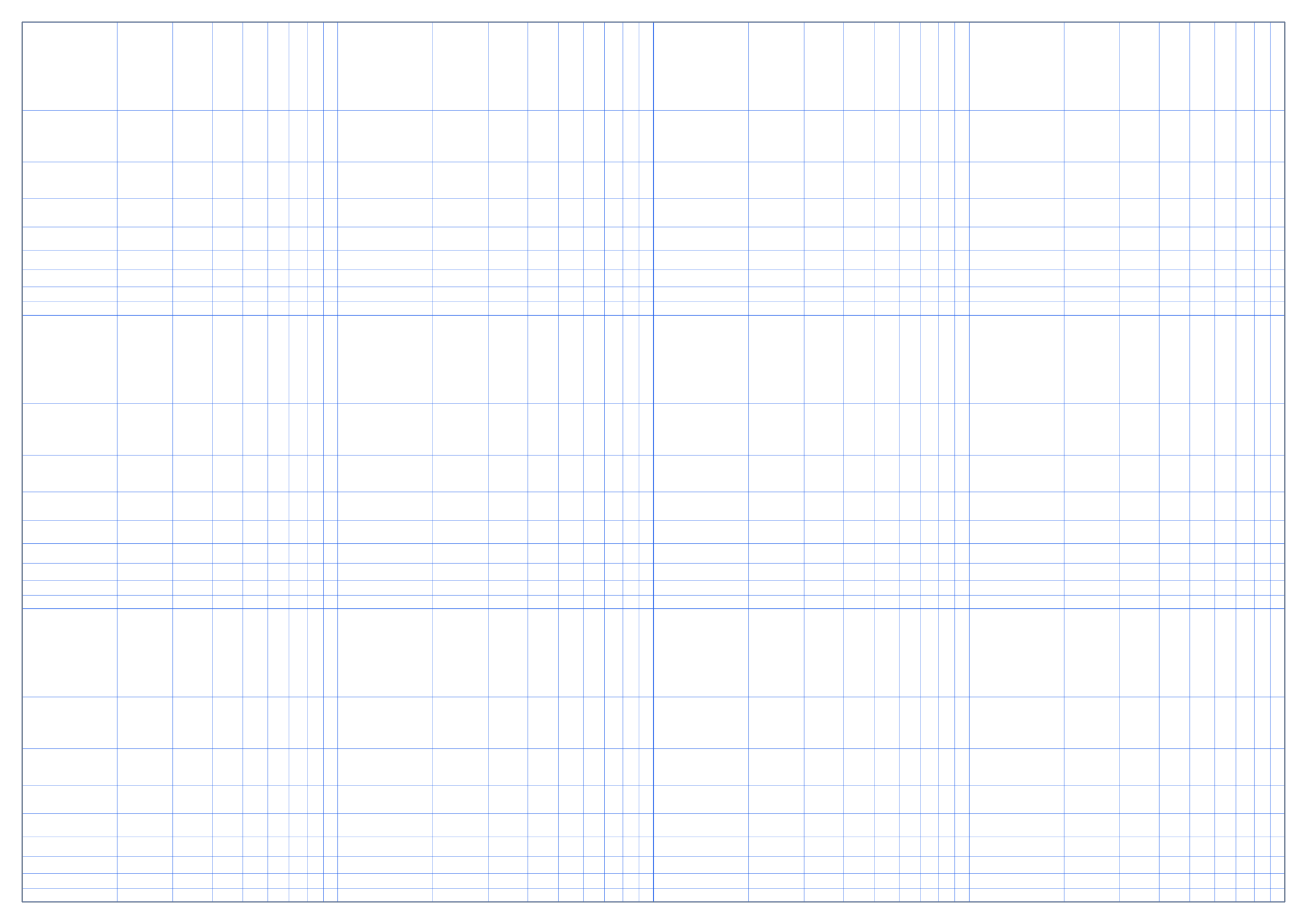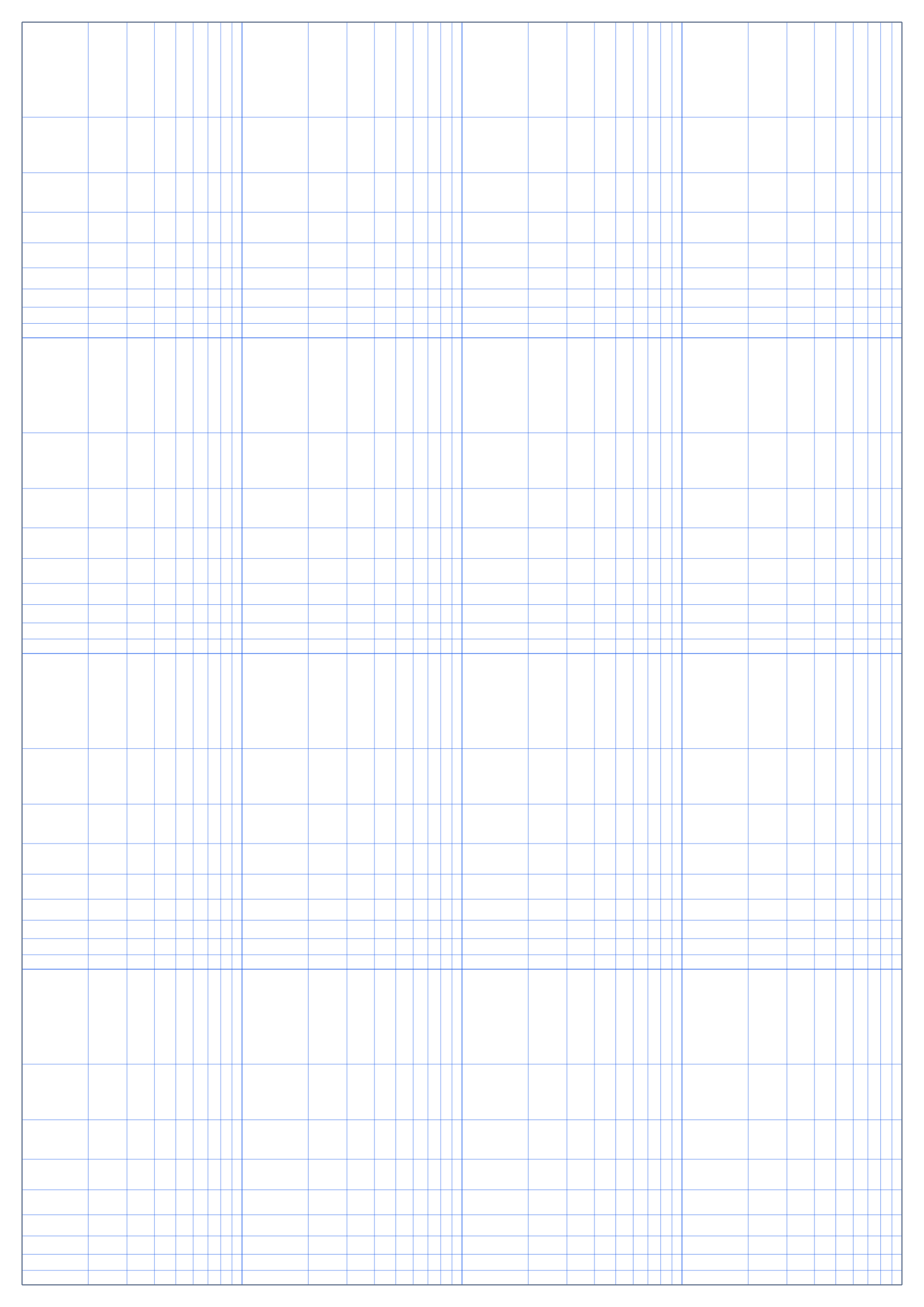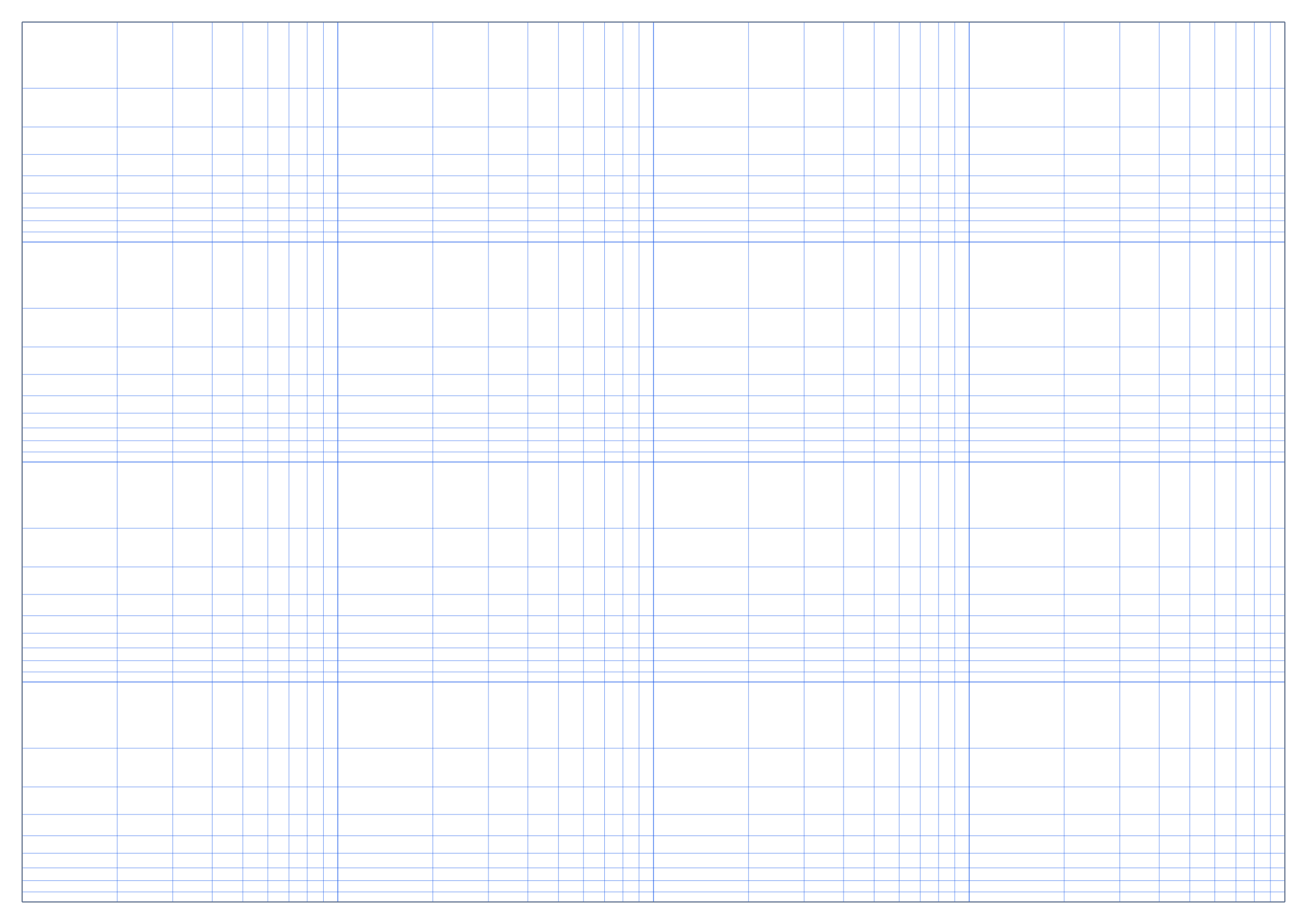

A2 2 x 2 cycles Log-Log Graph Paper PDF
A2 portrait | 2 x 2 cycles | Base 10 | Blue grid
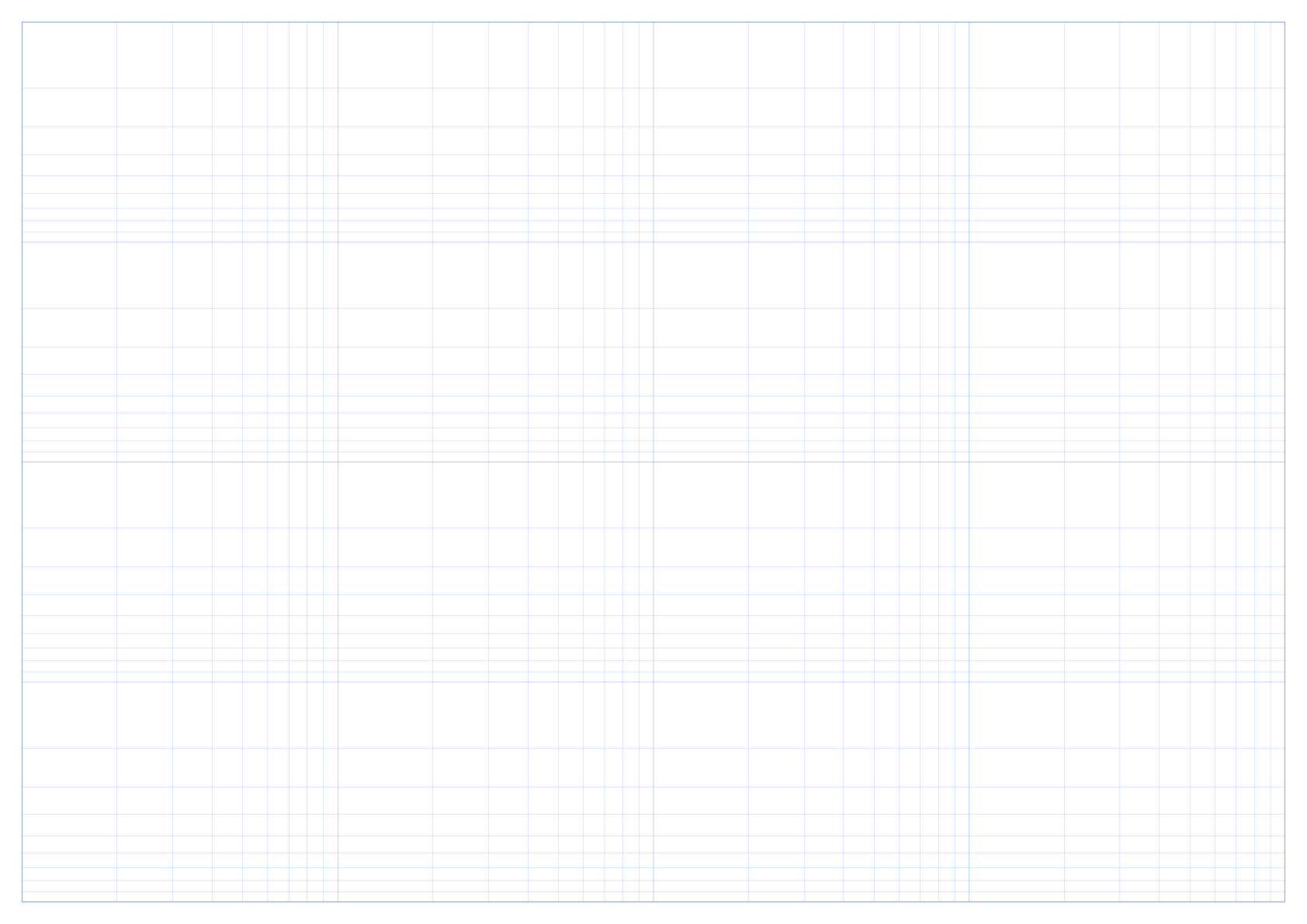
A2 landscape log-log paper
This A2 landscape base-10 template provides 4 logarithmic cycles on the X-axis and 4 on the Y-axis. It can cover 1 to 10,000 horizontally and 1 to 10,000 vertically when both axes begin at 1, on a 420 x 594 mm page.
Template details
A2 provides four times the area of A4 for technical drawings, classroom displays, and projects that need a large metric grid. This template uses base-10 logarithmic spacing on both axes, with 4 cycles horizontally and 4 cycles vertically.
If each axis begins at 1, the X-axis can cover 1 to 10,000 and the Y-axis can cover 1 to 10,000. The same grid can begin at any other power of ten that fits the data.
Log-log paper is useful when both variables span wide ranges or a power-law relationship needs to be examined as a straight line.
Plot size scaling, material behavior, allometric data, inverse-square relationships, and other models where one variable is proportional to a power of another.
The 4 x 4 cycles layout spreads multiplicative changes across the page instead of crowding small values near the origin.
A2 is suited to large plans, displays, and technical drawings. The margins leave room for axis labels, units, a title, and notes.
Both formats keep the same base-10 cycle structure. Choose the sheet that matches the printer and the amount of physical room needed for plotted points and labels.
Open A3 4 x 4 cycles log-log paper →| Comparison | A2 | A3 |
|---|---|---|
| Page size | 420 x 594 mm (16.54 x 23.39 in) | 297 x 420 mm (11.69 x 16.54 in) |
| Plotting area | 574 x 400 mm | 400 x 277 mm |
| Each X cycle | 143.5 mm | 100 mm |
| Each Y cycle | 100 mm | 69.3 mm |
Use the PDF when the page dimensions and consistent logarithmic subdivisions matter. Match the file to the paper loaded in the printer.
Load 420 x 594 mm paper and select A2 in the print dialog. A large-format printer may be required.
Select Actual Size or 100% scale. Turn off Fit, Shrink, and Scale to Page options.
Keep the print dialog set to landscape so the graph is not rotated or reduced automatically.
Write the selected powers of ten at the major cycle boundaries. The minor subdivisions within each cycle represent 2 through 9 times its starting value.
10 ready-made templates are available for this paper size in portrait and landscape layouts.
A2 portrait | 2 x 2 cycles | Base 10 | Blue grid

A2 landscape | 2 x 2 cycles | Base 10 | Blue grid
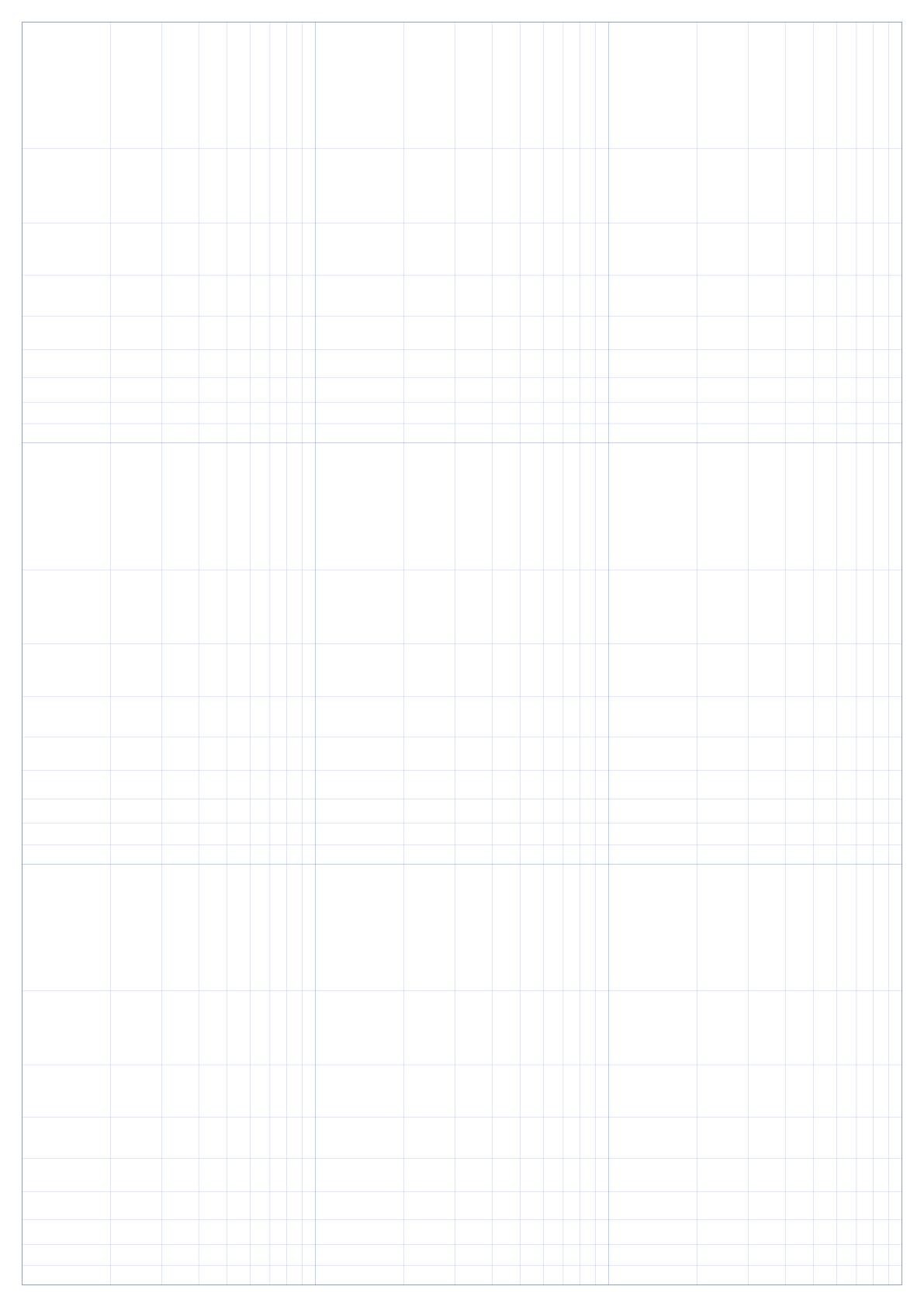
A2 portrait | 3 x 3 cycles | Base 10 | Blue grid

A2 landscape | 3 x 3 cycles | Base 10 | Blue grid

A2 portrait | 3 x 4 cycles | Base 10 | Blue grid
A2 landscape | 3 x 4 cycles | Base 10 | Blue grid
A2 portrait | 4 x 3 cycles | Base 10 | Blue grid

A2 landscape | 4 x 3 cycles | Base 10 | Blue grid

A2 portrait | 4 x 4 cycles | Base 10 | Blue grid
A2 landscape | 4 x 4 cycles | Base 10 | Blue grid
Answers specific to using and printing 4 x 4 cycles log-log graph paper on A2.
It contains 4 X-axis cycles and 4 Y-axis cycles. Starting at 1 gives ranges of 1 to 10,000 on X and 1 to 10,000 on Y, but either axis can begin at another power of ten.
Yes. Both the horizontal X-axis and vertical Y-axis use base-10 logarithmic subdivisions. Use semi-log paper when only one axis should be logarithmic.
Assign each major boundary a power of ten. Within a cycle, the minor lines represent 2 through 9 times the value at that cycle's beginning.
Select A2 paper, use Actual Size or 100% scale, and disable Fit to Page.
Portrait gives each Y-axis cycle more vertical room; landscape gives each X-axis cycle more horizontal room. Choose the layout that gives your more crowded axis extra space.